Same Day Scrap Car Collection in Portsmouth: How It Works
April 3, 2026
Can You Scrap a Car With Outstanding Finance in the UK? (Portsmouth Guide)
April 3, 2026If you’ve got an old or unwanted vehicle sitting on your drive, one question always comes up:
Should I scrap it or try to sell it?
It’s a fair question, and the answer isn’t always straightforward. Across Portsmouth and Hampshire, thousands of car owners face this exact decision every year.
The truth is, both options have their place. The right choice depends on your vehicle’s condition, how quickly you need it gone, and how much effort you’re willing to put in.
This guide will help you make the right call by breaking down the pros, cons, and real-world scenarios so you can decide what’s best for your situation.
Understanding the Difference Between Scrapping and Selling
Before deciding, it’s important to understand how the two options differ.
Selling Your Car
Selling means finding a private buyer or trading it in. This usually involves:
- Advertising the vehicle
- Dealing with enquiries and viewings
- Negotiating price
- Completing paperwork
Scrapping Your Car
Scrapping is a much simpler process:
- Get a quote
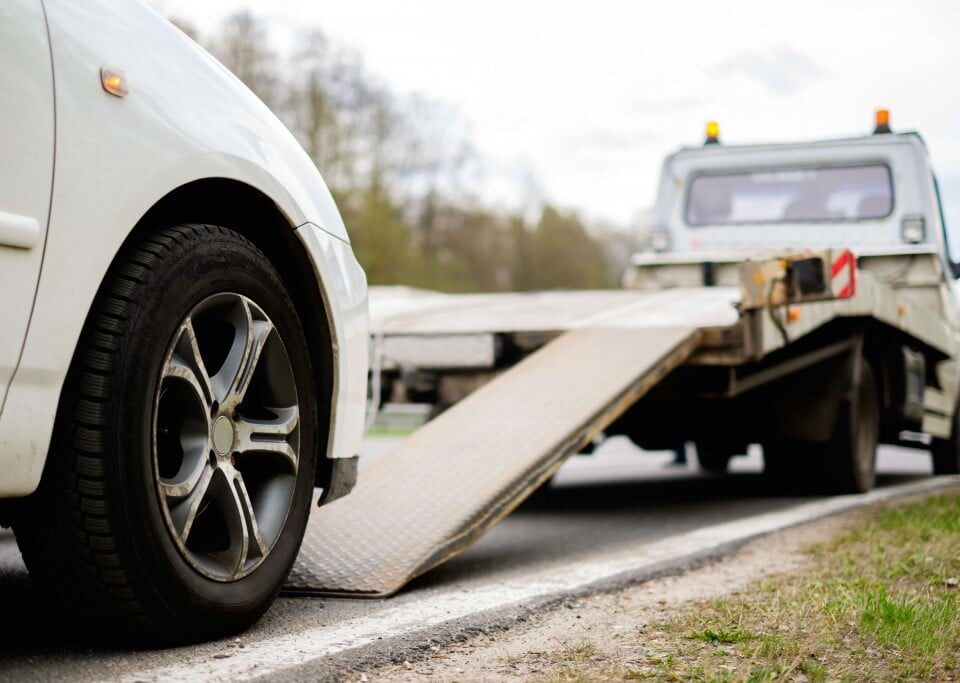
- Book collection
- Receive payment
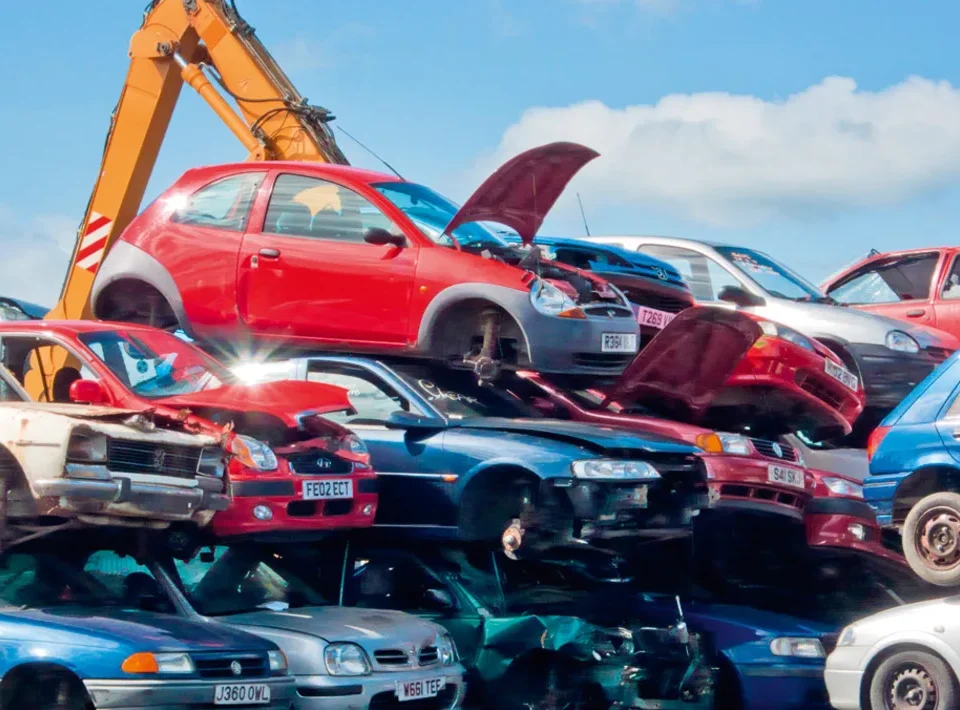
- Vehicle is recycled
There’s no selling, no waiting, and no dealing with buyers.
When Selling Your Car Makes Sense
Selling your car is usually the better option if the vehicle still has reasonable value.
You should consider selling if:
- The car is in good working condition
- It has a valid MOT
- Mileage is reasonable
- There’s demand for the model
- It’s worth significantly more than scrap value
For example, a reliable car worth £1,500+ will almost always return more money through a private sale.
When Scrapping Your Car Is the Better Option
Scrapping becomes the smarter choice when the car is no longer practical to sell.
Scrap your car if:
- Repair costs exceed the car’s value
- It has failed its MOT badly
- It’s been written off
- It’s been sitting unused for months
- You need it gone quickly
In busy areas like Portsmouth, where space is limited and parking matters, quick removal is often a big factor.
Speed vs Profit: The Key Trade-Off
One of the biggest differences between selling and scrapping is time.
Selling a Car:
- Can take days or weeks
- Requires effort and communication
- May involve price negotiation
Scrapping a Car:
- Often completed within 24 hours
- Minimal effort required
- Guaranteed outcome
If time is more important than squeezing out every last pound, scrapping is usually the better option.
How Much More Can You Get by Selling?
In ideal conditions, selling privately can bring in more money.
However, many people overestimate this.
Reality check:
- A car worth £500 privately might only realistically sell for £300–£400
- Time, effort, and negotiation reduce the benefit
- Repairs needed to sell may cost more than expected
In some cases, scrapping can be surprisingly close in value once all factors are considered.
The Hidden Costs of Selling a Car
Selling isn’t always as straightforward as it seems.
Costs and challenges include:
- Repairing faults to make the car sellable
- Paying for advertising or listings
- Time spent dealing with buyers
- No-shows and time-wasters
- Potential disputes after sale
For many people in Hampshire, these hidden factors make scrapping far more appealing.
The Convenience of Scrapping
Scrapping is designed to be quick and stress-free.
Benefits include:
- Free collection from your location
- Fast payment via bank transfer
- No need for repairs or cleaning
- No dealing with buyers
- Legal compliance handled for you
It’s the easiest way to get rid of a vehicle without hassle.
What About Part-Exchanging Your Car?
Another option is part exchange at a dealership.
Pros:
- Quick and convenient
- No need to advertise
Cons:
- Often the lowest value option
- Dealers factor in profit margins
In many cases, scrapping your car can actually pay more than part exchange, especially for older vehicles.
Real-World Examples
Scenario 1: Older MOT Failure
A 15-year-old car fails its MOT with £800 of repairs needed.
- Selling value: £300–£500 (if repaired)
- Scrap value: £250–£400
👉 Best option: Scrap it
Scenario 2: Running Used Car
A 10-year-old car with MOT and good condition.
- Selling value: £1,500
- Scrap value: £300
👉 Best option: Sell it
Scenario 3: Non-Runner
Car won’t start and has been sitting for months.
- Selling value: Very low, difficult to sell
- Scrap value: £200–£500
👉 Best option: Scrap it
Legal Considerations in the UK
Whether you sell or scrap your car, there are legal responsibilities:
If selling:
- Transfer ownership with the DVLA
- Provide accurate information
- Avoid misrepresentation
If scrapping:
- Use a licensed scrap dealer
- Notify the DVLA
- Receive confirmation of disposal
Following the correct process protects you from future issues.
Environmental Impact
Scrapping your car is often the more environmentally responsible option for end-of-life vehicles.
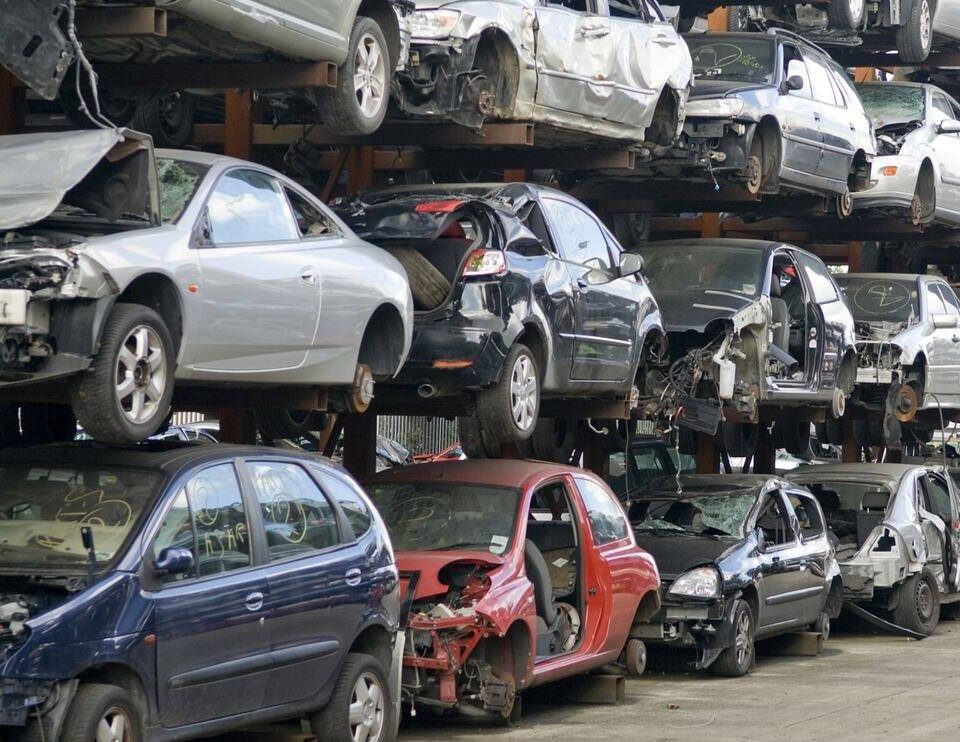
Up to 95% of a vehicle can be recycled, reducing waste and supporting sustainable material use.
Selling, on the other hand, keeps the car on the road longer, which may increase emissions if the vehicle is inefficient.
Quick Decision Guide
If you’re unsure, use this simple rule:
- Car runs well and has value? → Sell it
- Car is damaged, failed MOT or unwanted? → Scrap it
Final Thoughts
Deciding whether to scrap or sell your car comes down to three things:
- Value
- Time
- Effort
For many Portsmouth and Hampshire drivers, scrapping is the faster, simpler and more reliable option, especially when the car is no longer in good condition.
But if your vehicle still has strong resale value, selling can be worth the extra effort.
Ready to Make a Decision?
If your car is no longer worth repairing or you just want it gone quickly, scrapping is often the best route.
Get a quote, compare your options, and choose the solution that works for you.
Simple, practical, and no stress.